Not every classic car offers the same starting point when you plan an EV conversion. Some platforms give you the space, structure, and predictability that make the process straightforward. Others demand more planning and more careful engineering. Yet none of them are off the list. EV technology keeps advancing, and new solutions appear every year. As a result, more classics become viable candidates with each generation of components.
Still, certain vehicles continue to stand out because they provide cleaner packaging, simpler driveline layouts, and reliable upgrade paths. Understanding these differences helps you choose a platform that fits your goals, your budget, and the experience you want behind the wheel.
Where EV Conversions Fit Naturally
Some classic platforms almost seem built for EV conversions. Early Mustangs, for example, use a front-engine, rear-drive layout that makes motor placement predictable. Their structure offers useful battery space without major surgery, and the aftermarket support is unmatched. As a result, these cars respond well to electric torque and give builders room to design a balanced, serviceable system.
Classic Chevy trucks from the C10 and Squarebody era offer a different advantage. Their frames provide generous room under the bed for battery modules, and their simple mechanical design makes integration much cleaner than you might expect. These trucks can support the extra weight without compromising stance, and their parts availability makes the entire build more practical. When you want range, space, and a sturdy platform, they remain one of the most flexible starting points.
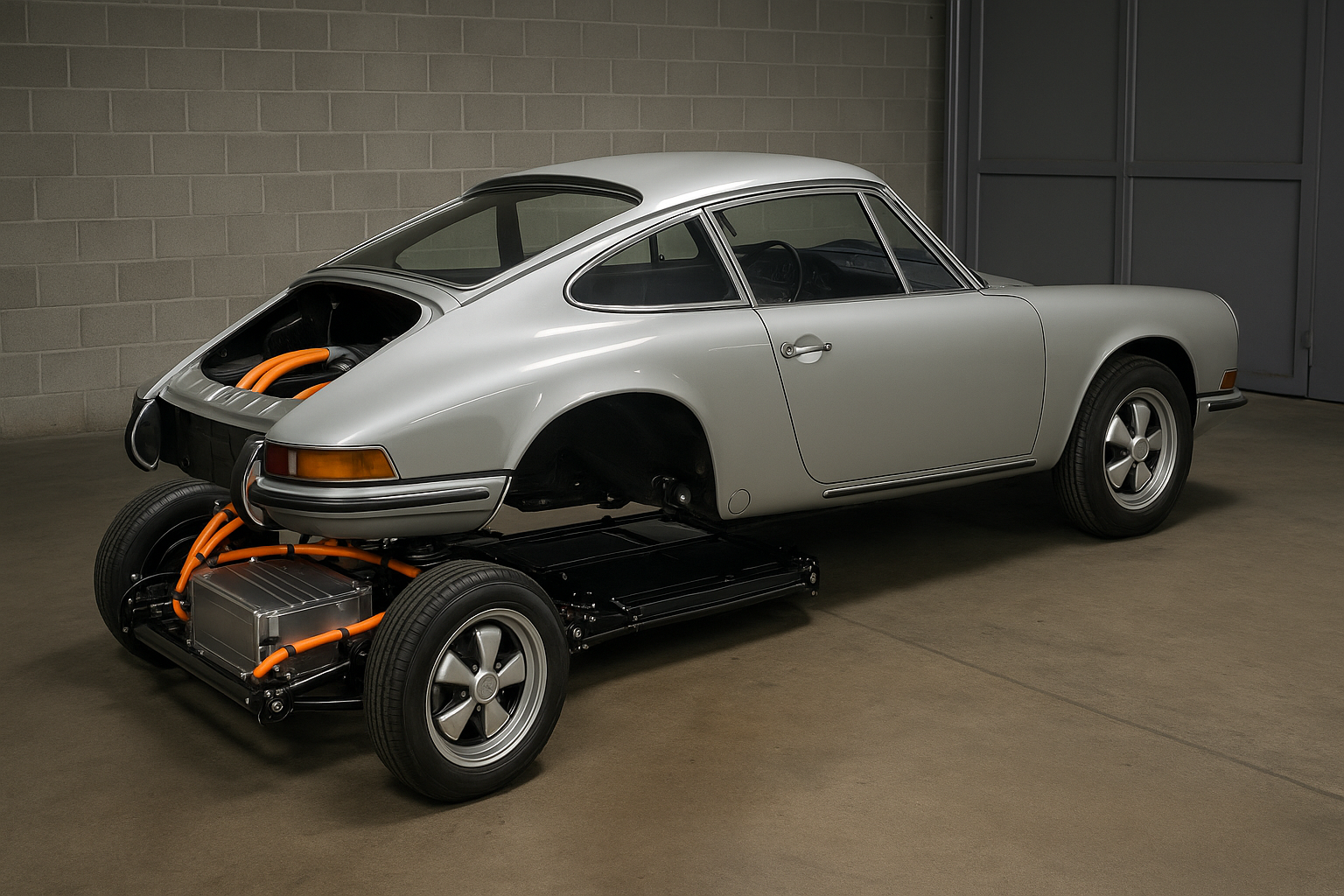
The air-cooled Porsche 911 brings another kind of efficiency. Its rear-engine layout allows compact drive units to sit where the original engine lived, and the front trunk offers a natural home for batteries. Because the car is light and already well balanced, an EV conversion can elevate its performance without losing the character that defines the 911. That blend of heritage and modern drivability explains why the platform remains so popular among EV builders.
Platforms That Convert Well with the Right Strategy
Some platforms convert well but require more thoughtful preparation. Early Corvettes fall into this group. Their fiberglass bodies and unique chassis designs demand careful mounting solutions, and the packaging is tighter than most muscle cars. With the right reinforcement and smart battery placement, though, the results can be exceptional. The payoff is a Corvette that gains refinement and day-to-day drivability without losing its identity.
British classics such as MGs, Triumphs, and older Jaguars introduce another set of challenges. Their engine bays are tighter, and their electrical systems often need complete modernization before EV components come into play. Weight distribution also matters because these cars were designed with lighter drivetrains. Still, their low mass and responsive handling make them ideal once the engineering details are right.
Volkswagen Beetles and Buses also fit this category. Their simple rear-engine design works well for EV motors, but battery space becomes a puzzle. Rust condition matters more than usual because structural strength drives the entire build. When the platform is solid, these vehicles convert beautifully and deliver a unique driving experience that matches their classic personality.
When an EV Build Needs Advanced Engineering
Some classics require more significant design work. Full-size luxury cars from the 1960s and 1970s—big Lincolns, Cadillacs, and similar heavyweights—need more battery capacity to match their size. Their factory electronics and suspension systems add complexity, but they also offer surprising flexibility thanks to their large interiors. When engineered carefully, these cars deliver an EV experience with a smoothness that only large luxury platforms can offer.
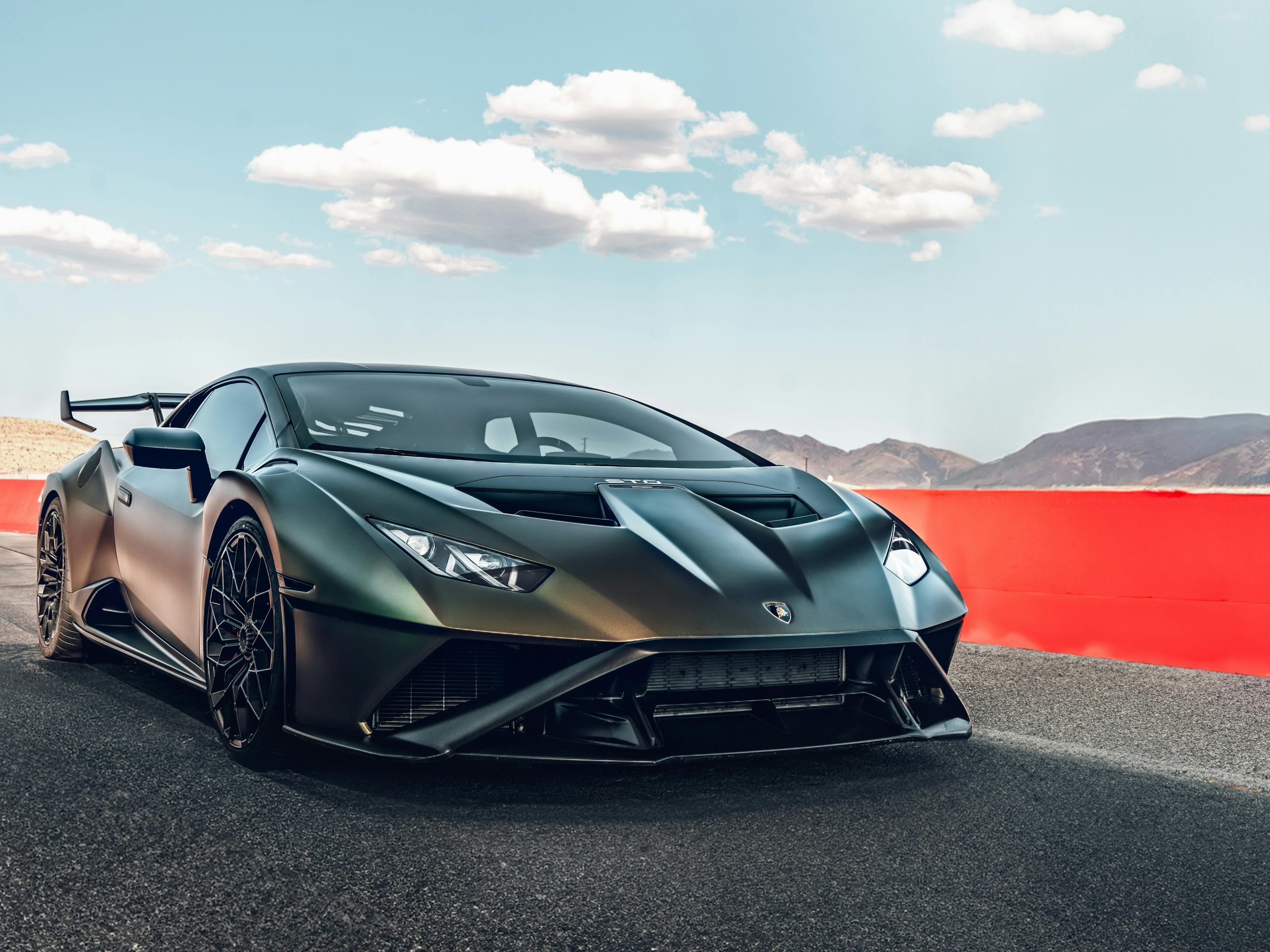
Exotics and high-performance classics require the most precision. Tight packaging, unusual drivetrains, and collector value all shape the design process. These cars can benefit enormously from electric power, but the work must respect both performance goals and long-term preservation. For owners who want sharper response and modern usability, EV conversions can unlock a new dimension of performance when the engineering is right.
What These Platforms Teach Us About EV Swaps
Every classic car brings its own mix of opportunities and constraints to an EV conversion. Some platforms make the process predictable. Others demand more planning. With the right team and a clear design strategy, most classics can be electrified in a way that protects their heritage and elevates their performance.
Classic platforms vary widely in how they accept EV architecture. With a solid grasp of their differences, you can evaluate possibilities at your own pace and stay informed as the field grows.